Choose the experience before the date
There is no single calendar answer that describes every journey through Kazakhstan. A city visit, a mountain walk and an expedition across desert landscapes ask different things of the weather and of you. Start by naming the experience you want most. Then ask which dates and routes are suitable for that experience, rather than fitting an ambitious outdoor plan around a date already chosen.
Be honest about the conditions you enjoy. Some travellers welcome cool air and a long walk; others need shade, frequent breaks and a gentler day. If your group includes children or someone who finds weather changes difficult, make that part of the initial conversation. Comfort is useful planning information. It helps an organiser suggest a day you can appreciate from beginning to end.
Read the forecast for your actual route
Before departure, check conditions for each destination and the elevation of your planned outing. A forecast for the city does not describe the whole region, and a sunny photograph says nothing about the day you will travel. Ask your organiser what information they use to assess the route. Current access and ground conditions matter alongside the temperature shown on your phone.
Review the plan again close to an outdoor departure. Agree on what would lead to a change and what the alternative would involve. For example, replacing a walk with a city day should also account for tickets, transport and meals. Knowing the options makes a weather decision less disappointing. You still have a day to enjoy, even if its shape is different from the original idea.
Pack clothing that works together
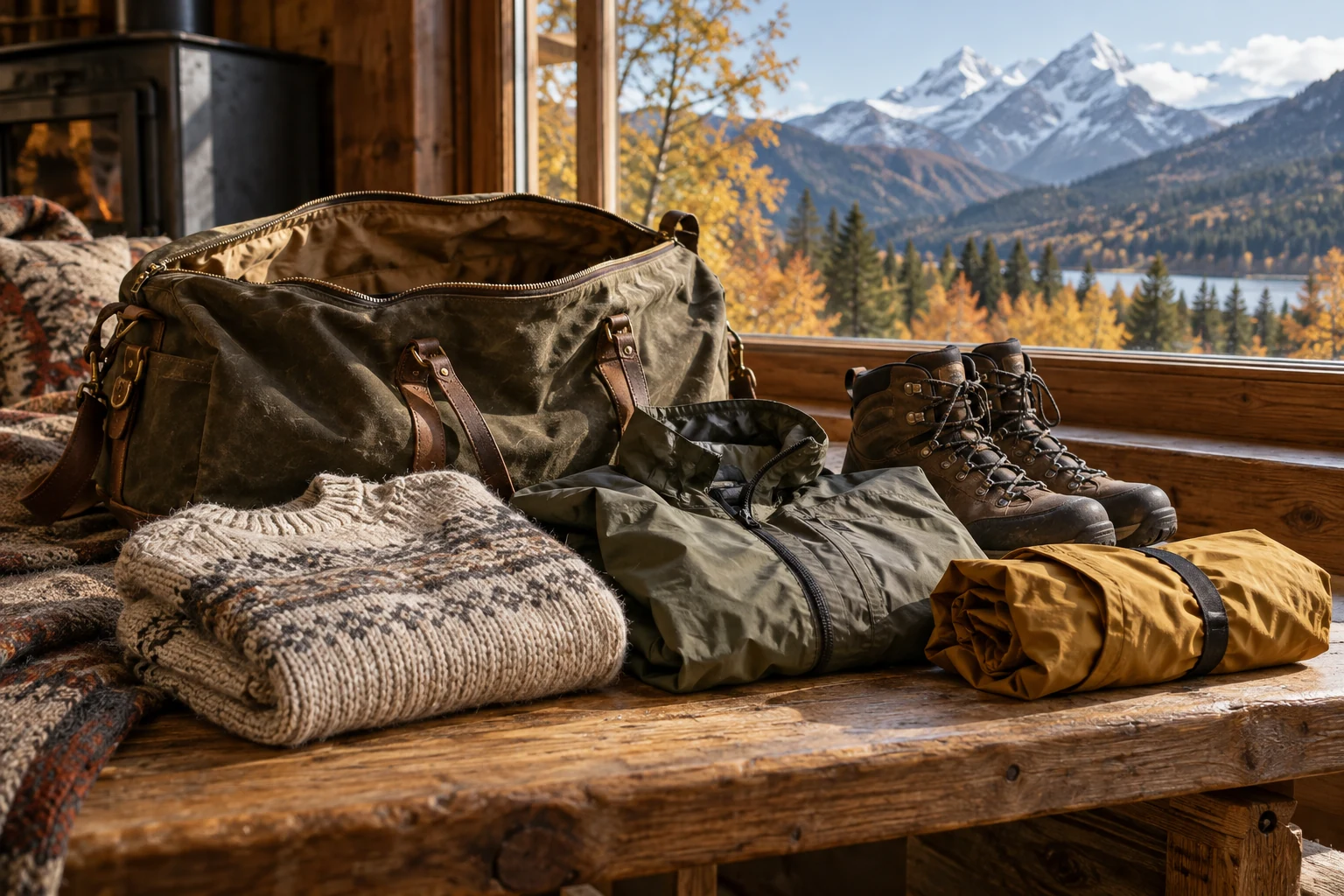
Think in layers that can be added or removed as the day changes. Start with clothing comfortable for movement, then choose warmth and outer protection suited to the confirmed conditions. Shoes should match the surface and walking distance; a pair suited to a café day may feel different on uneven ground. Wear new footwear before travelling so the first long outing is not its trial run.
Picture yourself getting out of the vehicle, stopping for lunch and returning later, not only standing at the viewpoint. What will keep you comfortable at each stage? A hat, sun protection and appropriate outerwear may all belong in the same day bag. Ask whether specialist equipment is supplied and in which sizes. Check fit and availability before assuming a rental item will work for you.
Prepare a day bag for the small changes
Keep the essentials you may need during an excursion accessible rather than buried in your main luggage. Include agreed water supplies, suitable snacks, a charged phone and the information needed to contact your guide. Protect anything that should stay dry. If you carry personal medication or another essential item, discuss practical storage needs with the organiser so the day works around them.
For families, divide the bag by use: something for the journey, something for the walk and something for the return. A spare layer or familiar snack can make a tired afternoon easier. Avoid carrying every possible item simply because a packing list mentions it. Ask what the actual route requires, what the vehicle carries and what you will have to carry yourself.
Build flexibility into the booking
Ask how changes are handled before selecting an outdoor or specialist experience. Confirm the relevant cancellation terms, who makes route decisions and how you will receive updates. This is especially useful when an activity depends on an operator or a specific set of conditions. It allows you to understand the commitment you are making, without treating a weather-dependent plan as a guaranteed appointment.
Keep an enjoyable alternative in mind: a slower city walk, a meal with more time for conversation or a cultural visit confirmed for your dates. Tell SHANYRAQ what matters most and where you are flexible. Good seasonal planning connects the date, the place and your preferred pace. A trip feels more generous when you can meet the conditions of the day with a workable plan.